

Many homeowners facing pipe problems assume excavation is their only option, often costing thousands in landscaping repairs alone. Pipe relining creates a durable new pipe within the old pipe without digging up your yard, preserving property while cutting costs significantly. This guide explains how pipe relining works, what it costs in Plymouth, MA, and whether it’s the right solution for your damaged pipes. You’ll learn the technology behind this trenchless repair method and how to choose the best approach for your home or business.
Key Takeaways
| Point | Details |
|---|---|
| Trenchless repair preserves property | Pipe relining repairs damaged pipes without excavation, protecting landscaping and driveways from costly restoration work. |
| CIPP technology extends pipe life | Cured-in-place pipe lining creates a seamless interior pipe lasting up to 50 years inside existing damaged pipes. |
| Local costs vary significantly | Plymouth area pipe relining costs depend on pipe condition, access difficulty, and local permit requirements affecting total expenses. |
| Not suitable for all damage | Collapsed pipes, severe corrosion, and major grade problems require traditional excavation rather than relining solutions. |
| Professional assessment is critical | Proper pipe inspection and contractor experience determine whether relining will succeed or fail in your specific situation. |
What is Pipe Relining and How Does it Work?
Pipe relining represents a trenchless repair technique that fixes damaged pipes from the inside without digging trenches through your property. The most common method, CIPP (Cured-In-Place Pipe) lining, creates a new seamless pipe within the existing deteriorated one without extensive excavation, restoring structural integrity and flow capacity. This technology has transformed how plumbers address pipe deterioration in residential and commercial properties.
The process follows a systematic approach that minimizes disruption:
- Pipe assessment: Plumbers use video cameras to inspect the pipe interior, identifying cracks, root intrusion, and structural damage.
- Thorough cleaning: High-pressure water jets remove debris, scale, and blockages to prepare surfaces for liner adhesion.
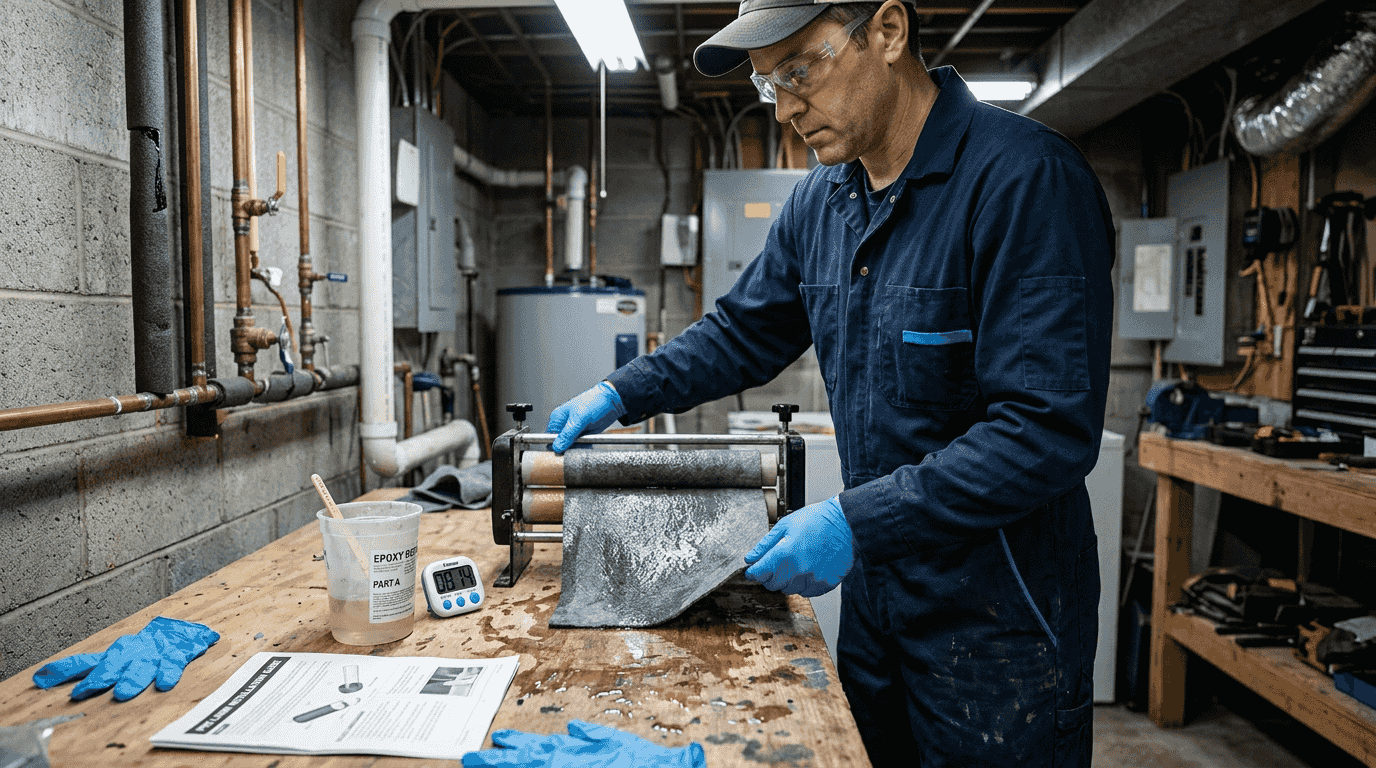
- Liner insertion: A flexible tube saturated with epoxy resin is inserted through existing access points and positioned precisely.
- Curing process: Hot water, steam, or UV light activates the resin, hardening the liner against the host pipe walls.
- Lateral reconnections: Robotic cutters reopen connections to branch lines, ensuring complete system functionality.
The materials used include felt or fiberglass liners saturated with specialized epoxy resins designed for durability. Once cured, these liners form a smooth, corrosion-resistant surface that restores full flow capacity while preventing future leaks. Most residential projects complete within one to two days, compared to weeks required for traditional excavation.
Pro Tip: Schedule a thorough plumbing inspection before committing to relining. Pipes with significant structural collapse or severe bellying may not be suitable candidates, and attempting relining in these situations wastes money without solving the underlying problem.
Types of Pipe Relining Techniques and Their Uses
Several relining methods exist, each suited to specific pipe conditions and applications. Understanding these options helps you choose the most effective solution for your situation. CIPP lining works best for sewer mains and storm drains with moderate damage. Epoxy coating applies liquid epoxy directly to cleaned pipe interiors, creating seamless barriers suitable for potable water lines and small-diameter piping. UV-cured liners offer faster installation times using ultraviolet light instead of hot water or steam. Point repairs target specific damaged sections rather than entire pipe runs.

| Method | Application | Curing Process | Best For |
|---|---|---|---|
| CIPP Lining | Full pipe rehabilitation | Hot water or steam | Sewer mains, storm drains, 4-36 inch diameter |
| Epoxy Coating | Interior pipe coating | Ambient temperature cure | Potable water lines, small diameter pipes |
| UV-Cured Liners | Fast installation projects | Ultraviolet light | Lateral lines, residential applications |
| Point Repairs | Localized damage | Hot water or ambient | Specific cracks, joint failures |
Each technique offers distinct advantages and limitations:
- CIPP lining provides comprehensive pipe rehabilitation but requires more setup time and equipment.
- Epoxy coating works well for preventative maintenance and minor surface deterioration in water supply lines.
- UV-cured liners reduce installation time significantly but require specialized equipment and trained technicians.
- Point repairs cost less for isolated damage but don’t address systemic pipe deterioration throughout the line.
Severely damaged or collapsed pipes typically fall outside the scope of any relining method. Pipes with major structural failure, significant offset joints, or complete collapse require traditional excavation and replacement. Professional pipe repair assessment determines which approach delivers the best long-term results based on your specific pipe condition, location, and budget constraints.
Pipe Relining Cost and Benefits for Plymouth, MA Homeowners
Understanding local cost factors helps you budget accurately for pipe repair projects in the Plymouth and Boston area. The average cost to install a sewer line in Boston ranges from $50 to $250 per linear foot, while most homeowners pay between $1,066 and $5,160 for complete sewer line installation in the region. Pipe relining typically costs 30 to 50 percent less than traditional excavation when you factor in landscaping restoration, driveway repair, and property restoration expenses.
Local factors significantly impact final project costs in Plymouth:
- Narrow historic streets limit equipment access, sometimes requiring smaller specialized machinery that increases labor time.
- Older home infrastructure often presents unexpected challenges during pipe assessment and cleaning phases.
- Local permit requirements and inspection fees add to total project expenses, varying by municipality.
- Seasonal ground conditions affect scheduling and may require additional preparation work in the winter months.
Pipe relining delivers substantial benefits beyond initial cost savings:
- Project completion in one to three days versus weeks required for excavation and restoration.
- Minimal property disruption preserves landscaping, driveways, and hardscaping investments.
- An extended pipe lifespan of up to 50 years provides long-term value compared to traditional repairs.
- Improved flow capacity from smooth interior surfaces reduces future clog risks.
- No structural damage to foundations, walkways, or underground utilities during repair work.
Pro Tip: Request detailed estimates comparing relining versus traditional replacement from experienced contractors. Include all costs like landscaping restoration, driveway repair, and permit fees to see the true total expense. Some heavily deteriorated pipes may actually cost more to reline than replace when you consider the risk of early failure requiring a second repair project.
Investing in professional plumbing repair services ensures proper assessment and technique selection. Quality contractors provide video inspection documentation, warranty coverage, and post-installation verification testing. Understanding what sewer line repair involves helps you ask informed questions and evaluate contractor proposals effectively.
Is Pipe Relining the Right Choice? Limitations and Considerations
Pipe relining works exceptionally well in specific situations but fails dramatically when applied incorrectly. The success of CIPP depends on the host pipe’s structural integrity and cannot compensate for severely damaged foundations. Understanding these limitations prevents costly mistakes and ensures you choose the most effective repair approach.
Several conditions make pipes unsuitable for relining:
- Collapsed pipe sections prevent liner insertion and require excavation to restore proper alignment and grade.
- Major corrosive issues or pipe bellying create structural problems that liners cannot correct without addressing underlying causes.
- Significant grade problems causing standing water require excavation to re-slope pipes for proper drainage.
- Multiple offset joints throughout the pipe run indicate foundation settlement requiring structural repair first.
- Active root intrusion from large trees may continue damaging pipes even after relining without tree removal.
Pipe lining installation problems often stem from forcing the technology where it doesn’t fit. Contractors rushing assessments or skipping thorough cleaning steps risk liner failures within months. Poor quality control during curing can leave soft spots or incomplete adhesion, leading to premature deterioration.
Consider these factors when evaluating repair options:
- Pipe age and material type affect relining success rates, with some older materials providing better liner adhesion.
- Accessibility to insertion points determines whether relining offers practical advantages over excavation in your specific situation.
- Future property plans may influence whether investing in long-term pipe rehabilitation makes financial sense now.
- Local soil conditions and groundwater levels impact both relining and excavation approaches differently.
Pro Tip: Hire contractors with extensive pipe relining experience who follow manufacturer specifications precisely. Request references from similar projects and ask to see video documentation of completed work. Quality contractors perform post-installation camera inspections to verify proper liner placement and curing before considering the job complete.
Exploring professional pipe repair alternatives helps you understand when traditional methods deliver better value. Some situations genuinely require excavation despite higher initial costs, particularly when addressing systemic property drainage issues or foundation problems affecting multiple systems simultaneously.
Plumbing Repair Services in Plymouth, MA You Can Trust
Facing pipe problems requires expert guidance to choose the most cost-effective repair approach for your specific situation. 8th Bend Plumbing brings extensive experience with trenchless pipe relining and traditional repair methods to Plymouth area homes and businesses. Our team performs thorough video inspections to determine whether your pipes qualify for relining or require alternative solutions, ensuring you invest wisely in long-lasting repairs.

We specialize in minimally disruptive plumbing solutions that protect your property while delivering reliable results. Our comprehensive plumbing repair services include pipe relining, traditional excavation when necessary, and ongoing maintenance to prevent future problems. We also handle drain cleaning and unclogging to keep your entire plumbing system flowing smoothly. Contact us for a detailed assessment and transparent pricing on your pipe repair needs.
Frequently Asked Questions
How long does pipe relining typically take?
Most residential pipe relining projects are completed within one to three days, depending on pipe length and access complexity. The process includes inspection, cleaning, liner installation, and curing time, with most disruption limited to the initial access point work.
Can pipe relining be used for all types of pipe materials?
Pipe relining works effectively on clay, concrete, cast iron, and PVC pipes with sufficient structural integrity remaining. The host pipe must provide adequate support for the liner, making severely deteriorated or collapsed pipes unsuitable candidates regardless of original material.
What maintenance is required after pipe relining?
Relined pipes require minimal maintenance beyond normal use, though annual video inspections help catch potential issues early. Avoid harsh chemical drain cleaners that might damage the epoxy liner, and continue regular drain cleaning to prevent buildup that could stress the new pipe surface.
Is pipe relining covered by homeowner’s insurance?
Most standard homeowner’s insurance policies exclude pipe relining under maintenance exclusions, though coverage varies significantly. Review your specific policy or contact your insurance provider to determine whether sudden pipe failures qualify for coverage versus gradual deterioration considered routine maintenance.
How to find a qualified contractor for pipe relining in Plymouth?
Seek contractors with specific pipe relining certifications, manufacturer training, and extensive local project references. Request video documentation of their assessment process and ask about warranty coverage, ensuring they carry proper licensing and insurance for plumbing work in Massachusetts. Check online reviews focusing on sewer line repair projects similar to yours, and compare detailed written estimates from multiple qualified contractors before making your final decision.


