

Most homeowners in Plymouth, MA, think gas fitting is just plugging an appliance into a gas line. It’s not. It’s a regulated trade that covers everything from pipe sizing to venting, combustion air setup, and safety device integration. Treating it like a simple DIY project isn’t just risky, it’s illegal and can void your homeowner’s insurance. Understanding what gas fitting really involves helps you protect your family, your property, and your investment in your heating system.
Key Takeaways
| Point | Details |
|---|---|
| Licensed Pros Required | Massachusetts law mandates licensed gas fitters to ensure safety and compliance. |
| Rigorous Safety Methods | Professional fitters use proven methods and devices to prevent leaks and hazards. |
| Efficiency and Longevity | Proper sizing and installation boosts system performance and extends appliance lifespan. |
| Local Codes Matter | Plymouth homeowners must follow MA-specific rules for gas materials and permitting. |
| DIY Risks | Unlicensed work greatly increases the chance of leaks, insurance problems, and code violations. |
What is Gas Fitting? Core Functions and Scope
Gas fitting is far more involved than most people realize. According to industry standards, gas fitting covers the installation, alteration, repair, and maintenance of gas piping systems, appliances, and flues to ensure safe delivery of natural gas or propane. That’s a wide scope, and every part of it matters.
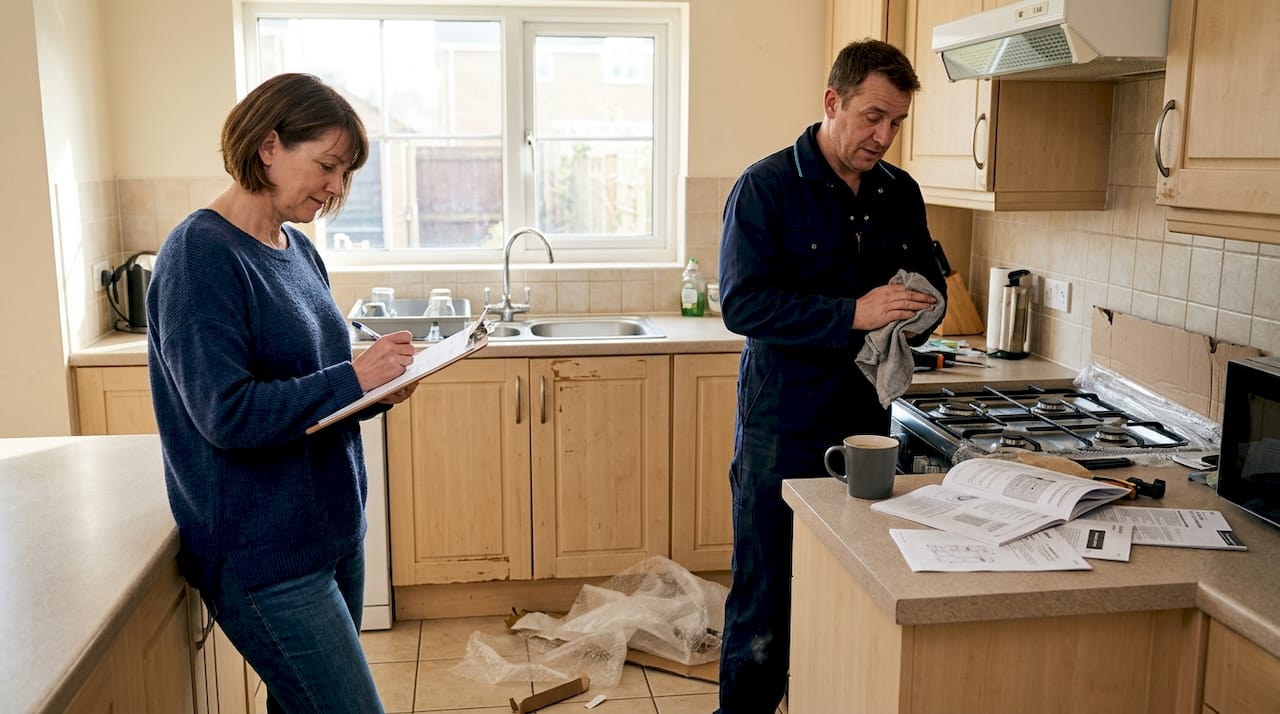
To understand what is gas fitting in practical terms, think about everything that connects your gas meter to your furnace, boiler, or water heater. A licensed gas fitter handles all of it. Here’s what that work actually includes:
- Gas pipe and system installation: Running correctly sized supply lines from the meter to each appliance.
- Appliance hook-ups: Connecting furnaces, boilers, water heaters, and specialty commercial equipment to the gas supply safely.
- Venting and flue setup: Ensuring combustion gases exit your home properly, preventing dangerous buildup.
- Combustion air configuration: Making sure appliances get enough air to burn fuel completely and efficiently.
- Safety and electrical integration: Wiring limit switches, pressure sensors, and shutoff valves into the system.
- Ongoing maintenance and safety checks: Inspecting connections, testing for leaks, and verifying system performance over time.
“Gas fitting is not a one-time task. It’s an ongoing responsibility that keeps your heating system running safely year after year.”
This scope applies whether you’re heating a single-family home in Plymouth or running a small commercial operation. Every gas-fired appliance in your building depends on this work being done right.
Why Professional Expertise Matters: Safety, Compliance, and Efficiency
With the basics established, it’s critical to ask why you shouldn’t handle gas fitting on your own or trust a general handyperson with the job.
In Massachusetts, the law is clear. Only licensed Master or Journeyman Gas Fitters can legally perform gas fitting work, regulated by MGL Chapter 142 and 248 CMR. Permits are required under 220 CMR 101.00 for any gas piping work. This isn’t bureaucratic red tape. It’s a system designed to keep people alive.
The risk of skipping a licensed pro is real. DIY gas work carries a 70% higher leak risk compared to licensed installations. A gas leak can cause fires, explosions, or slow carbon monoxide poisoning. Your insurance company will also deny claims if unlicensed work caused the damage.
“Hiring a licensed gas fitter isn’t just about following the rules. It’s about making sure your home doesn’t become a statistic.”
Pro Tip: Before any gas work begins, ask your contractor to confirm they hold a current Massachusetts Master Gas Fitter or Journeyman Gas Fitter license. You can verify credentials through the state registry in minutes.
Beyond safety, licensed gas fitters for safety bring real efficiency benefits. Correct pipe sizing means your appliances receive full BTU delivery. Proper venting means your furnace or boiler runs at peak efficiency. Fewer breakdowns mean lower repair costs over time. The value of professional work shows up in your energy bills and your peace of mind.
If you’re planning any gas work, working with a licensed gas line installation professional from the start protects you legally and financially.
Key Processes and Methods in Safe Gas Fitting
So what, specifically, makes professional gas fitting more reliable and safe? It comes down to proven processes.
Here’s how a licensed gas fitter approaches a typical installation or service call:
- Pipe sizing using NFPA 54: The National Fuel Gas Code requires fitters to calculate pipe diameter using the longest run method and pressure drop tables. Undersized pipes starve appliances of gas. Oversized pipes waste money. Getting it right requires real training.
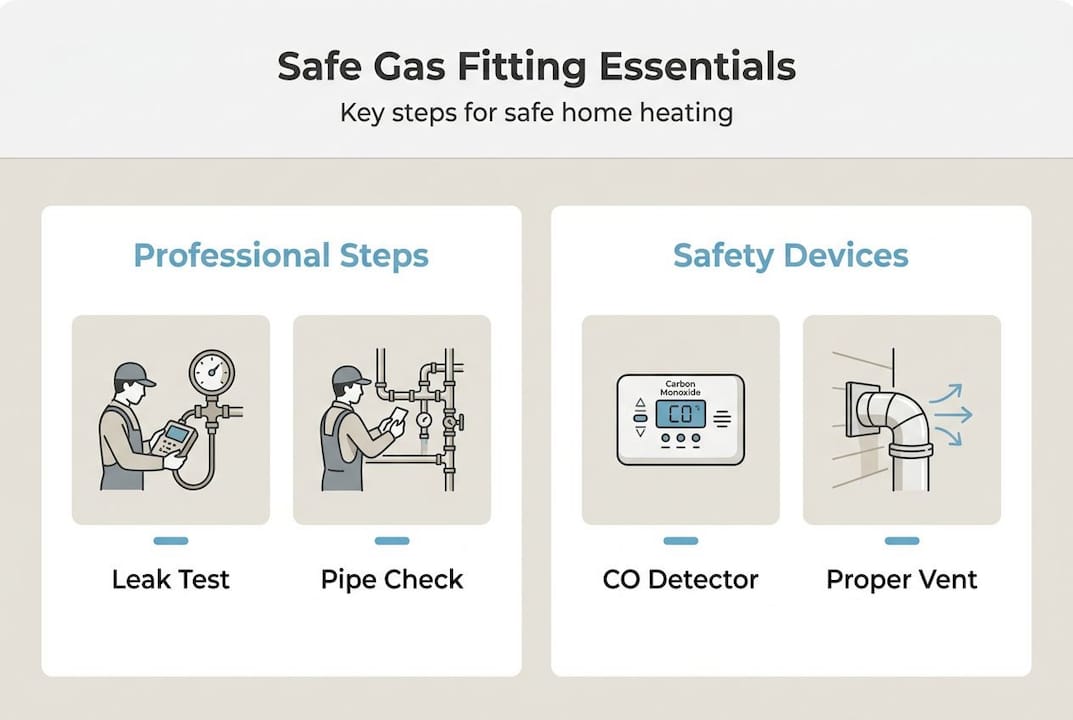
- Leak testing after every connection: Fitters use soap solution checks for quick visual confirmation, then follow up with precise leak test methods like pressure decay or mass flow testing for accuracy. No connection is assumed safe without testing.
- Issuing compliance certificates: After completing work, licensed fitters provide documentation that protects your property value and keeps your insurance valid.
- Verifying full BTU delivery: Every appliance has a rated BTU input. The fitter confirms the installed system delivers that full load, so your furnace or boiler performs as designed.
Pro Tip: Ask your gas fitter to show you the leak test results before they leave. A professional will always document this step and explain what was tested.
To help you understand how pipe sizing affects performance, here’s a quick reference:
| Pipe diameter | Typical use | Risk if undersized |
|---|---|---|
| 1/2 inch | Single appliance, short run | Appliance lockout, poor combustion |
| 3/4 inch | Multiple appliances or longer runs | Pressure drop, incomplete combustion |
| 1 inch or larger | Whole-home or commercial systems | Rarely undersized, but critical to verify |
Knowing how to detect pipe leaks early is also part of responsible homeownership, even after a professional installation.
Safety Devices, Ventilation, and Massachusetts-Specific Codes
Underpinning these expert processes are the devices and rules that actually prevent disasters.
Every properly installed gas system includes several critical safety components. Shutoff valves, limit switches, and pressure sensors work together to detect problems and cut off gas flow before a hazard develops. Here’s what you should expect in a compliant installation:
- Manual shutoff valve: Required within 6 feet of every appliance for quick emergency access.
- Limit switches: Automatically shut down the appliance if temperatures exceed safe levels.
- Pressure sensors: Monitor gas pressure and trigger shutoff if it drops or spikes unexpectedly.
- CO and combustion monitoring: Detects incomplete combustion before carbon monoxide builds to dangerous levels.
Carbon monoxide is invisible and odorless. In the US, CO poisoning causes more than 400 deaths every year. Proper venting and combustion air setup are the primary defenses against this risk.
Massachusetts also has specific code requirements that differ from those of other states. Here’s a quick comparison:
| Requirement | Massachusetts rule | Why it matters |
|---|---|---|
| Pipe material | No copper for natural gas | Copper corrodes with gas, causing leaks |
| CSST bonding | Mandatory electrical bonding | Prevents electrical hazards from lightning |
| Permits | Required for all gas work | Ensures inspection and compliance |
| Final inspection | Required before use | Confirms safe installation |
For safer gas line installation in Plymouth, these local code requirements aren’t optional. They’re enforced, and for good reason.
Real-World Issues: Common Mistakes and How Licensed Fitters Prevent Hazards
Knowing the rules and methods is one thing, but understanding how they prevent real problems brings the value home.
Here are the most common gas fitting mistakes we see, and what they actually cost homeowners:
- Undersized pipes: When pipes are too small for the total BTU load, appliances go into lockout mode or run with incomplete combustion, producing carbon monoxide and wasting fuel. This is one of the most common errors in DIY or rushed installations.
- Missing or improper CSST bonding: Corrugated stainless steel tubing (CSST) is flexible and convenient, but it must be electrically bonded. Without bonding, a nearby lightning strike can arc through the tubing and cause a fire.
- Using copper pipe for natural gas: Copper is illegal for natural gas in Massachusetts. It reacts with gas compounds over time, corroding from the inside and creating slow leaks that are hard to detect.
- Skipping permits and inspections: Unlicensed or unpermitted work puts your property at risk. If a problem occurs, your insurance company will investigate. Unpermitted work is grounds for claim denial.
Pro Tip: If you’re buying a home in Plymouth, ask for documentation of any gas work done on the property. Permits and inspection records should be on file with the town. If they’re missing, have a licensed fitter inspect the system before you close.
For more guidance, review these gas installation tips specific to Plymouth, MA, homeowners and small businesses.
Finding and Vetting a Qualified Gas Fitter in Plymouth, MA
Finally, knowledge is power. Here’s how to turn awareness into action when hiring a pro.
- Verify the license: Ask for the contractor’s Massachusetts Master Gas Fitter or Journeyman Gas Fitter license number. Verify license via state registry to confirm it’s current and in good standing. This takes two minutes and protects you completely.
- Confirm insurance: Ask for a certificate of liability insurance and workers’ compensation coverage. If something goes wrong on your property, you need to know you’re protected.
- Ask for local references: Request references from recent jobs in Plymouth or nearby towns. A contractor with a strong local track record is far more accountable than one passing through.
- Check their experience with heating systems: Not all gas fitters specialize in residential heating. Ask specifically about experience with boilers, furnaces, and water heaters. These systems have unique requirements.
- Choose a firm with emergency availability: Gas problems don’t follow business hours. Look for a company that offers 24/7 emergency service and is transparent about permitting and code compliance from the first call.
Working with a licensed plumber for gas lines in Plymouth means you get someone who knows local codes, has relationships with town inspectors, and stands behind their work.
Expert Gas Fitting and Heating Services for Your Plymouth Home or Business
With knowledge in hand, choosing trusted local expertise is the final step for safety and comfort. At 8th Bend Plumbing, we provide Plymouth gas piping service for homeowners and small businesses throughout the area. Our licensed gas fitters handle everything from new installations to safety inspections and emergency repairs.

If you want to fully understand gas fitting before your next project, we’re happy to walk you through it. We also offer plumbing repair and full heating system services under one roof. Our team values transparency, so you’ll always know what work is being done, why it’s needed, and what it costs. Reach out today to schedule an inspection or get a quote for your gas fitting project.
Frequently Asked Questions
What licenses are required for gas fitting in Plymouth, MA?
Only licensed Master or Journeyman Gas Fitters can legally perform gas fitting work in Massachusetts, as regulated by MGL Chapter 142 and 248 CMR. Always verify the license number through the state registry before work begins.
Are permits required for gas line installation or repair?
Yes. Massachusetts mandates permits for all gas work under 220 CMR 101.00, and a final inspection is required before the system can be used. Skipping this step puts your insurance coverage at risk.
What appliances require a licensed gas fitter for hook-up?
Furnaces, boilers, water heaters, and commercial heating equipment all require a licensed fitter. These appliances need licensed installation because improper hook-ups can cause gas leaks, carbon monoxide buildup, or appliance failure.
How do licensed gas fitters test for leaks?
Licensed fitters use soap solution checks for initial visual testing, then confirm results with pressure decay or mass flow testing for precision. Every connection is tested before the job is considered complete.
Why is copper pipe not allowed for natural gas in Massachusetts?
Copper reacts with compounds in natural gas over time, causing internal corrosion and slow leaks. Massachusetts code prohibits copper for gas lines and requires approved materials like black iron or properly bonded CSST instead.


