

Most people pour a glass of water from the tap without thinking twice. Studies show that US tap water can contain up to 316 different contaminants. People expect water filtration systems to just clear out dirt and make water taste better. The real story is that modern filtration technology not only targets chlorine and sediment but can also protect families from health risks posed by hidden microorganisms and heavy metals most people never realize are there.
Table of Contents
- What Are Water Filtration Systems?
- Why Water Filtration Matters For Health And Safety
- How Water Filtration Systems Work: Key Principles
- Types Of Water Filtration Methods And Their Applications
- Real-World Benefits Of Effective Water Filtration
Quick Summary
| Takeaway | Explanation |
|---|---|
| Filtered water improves health safety. | Water filtration systems eliminate harmful contaminants, reducing health risks associated with waterborne diseases. |
| Multiple filtration stages enhance water quality. | Techniques like reverse osmosis and UV purification work together to target different impurities, ensuring comprehensive treatment. |
| Regular filtration protects plumbing and appliances. | Clean water minimizes scale buildup, extending the life of household water systems and reducing maintenance costs. |
| Quality water encourages better hydration. | Filtering water improves taste, promoting increased consumption and supporting overall health and wellness. |
| Investing in filtration benefits the environment. | Using filtered water lessens the need for bottled water, decreasing plastic waste and fostering sustainability. |
What are Water Filtration Systems?
Water filtration systems are advanced technological solutions designed to remove contaminants, impurities, and unwanted substances from water, transforming potentially harmful or unpleasant water into clean, safe, and great tasting drinking water. These sophisticated systems work through multiple stages of filtration, targeting different types of pollutants and ensuring water quality meets or exceeds health standards.
The Core Purpose of Water Filtration
The primary goal of water filtration systems is to eliminate potentially dangerous elements that might compromise water safety. These can include:
- Sediment and particulate matter
- Chemical contaminants like chlorine and lead
- Microorganisms such as bacteria and viruses
- Heavy metals
- Organic compounds
By systematically removing these substances, water filtration systems protect household health and improve overall water consumption experience. According to Environmental Protection Agency, water filtration is crucial in ensuring safe drinking water for residential and commercial environments.
How Water Filtration Systems Work
Water filtration operates through multiple mechanisms, typically involving several key stages. The most common filtration methods include mechanical filtration (removing physical particles), activated carbon filtration (absorbing chemical contaminants), reverse osmosis (pushing water through a semipermeable membrane), and ultraviolet purification (neutralizing microorganisms).
Each filtration method targets specific types of impurities, creating a comprehensive approach to water treatment. Learn more about comprehensive water treatment solutions that can transform your home’s water quality and protect your family’s health.
Why Water Filtration Matters for Health and Safety
Water filtration is not merely a convenience but a critical health intervention that protects individuals and families from potential waterborne health risks. Clean water is fundamental to human health, and water filtration systems serve as a crucial barrier against numerous contaminants that could compromise wellness and safety.
Hidden Risks in Unfiltered Water
Unfiltered water can contain a range of dangerous substances that pose significant health threats. These potential contaminants include:
- Microbiological pathogens like bacteria and viruses
- Chemical pollutants such as lead, mercury, and pesticides
- Heavy metals from industrial and agricultural runoff
- Chlorine and chloramine used in municipal water treatment
- Pharmaceutical residues
According to the National Academies of Sciences, exposure to these contaminants can lead to serious health complications ranging from acute gastrointestinal illnesses to long-term chronic conditions.
Long Term Health Protection
Water filtration systems provide comprehensive protection by systematically removing harmful substances. Regular filtration reduces the risk of potential health issues associated with consuming contaminated water. Explore our comprehensive water treatment solutions that safeguard your family’s health through advanced water purification technologies.
Beyond immediate health benefits, water filtration also contributes to improved water taste, eliminates unpleasant odors, and reduces the potential for scale buildup in household plumbing systems. By investing in quality water filtration, homeowners can protect their health, enhance water quality, and prevent potential long-term medical complications associated with contaminated water consumption.
How Water Filtration Systems Work: Key Principles
Water filtration systems represent sophisticated technological solutions that utilize multiple advanced mechanisms to transform contaminated water into clean, safe drinking water. These systems employ a complex, multi-stage approach designed to systematically remove different types of impurities through precise filtration technologies.
Core Filtration Mechanisms
The fundamental principles of water filtration involve several distinct yet interconnected filtration methods that work together to purify water comprehensively:
- Mechanical Filtration: Physically trapping and removing solid particles
- Activated Carbon Filtration: Absorbing chemical contaminants and improving taste
- Reverse Osmosis: Pushing water through microscopic membranes to eliminate dissolved solids
- Ultraviolet Purification: Neutralizing microorganisms through targeted light radiation
According to the National Sanitation Foundation, these methods represent the gold standard in water treatment technologies, ensuring maximum contaminant removal and water quality enhancement.
Advanced Filtration Technologies
Modern water filtration systems integrate multiple technologies to create a comprehensive purification process. The sequential filtering approach allows each stage to target specific types of contaminants, resulting in progressively cleaner water. Discover our advanced water treatment solutions that leverage cutting-edge filtration technologies to protect your household water supply.
By understanding these key principles, homeowners can appreciate the intricate science behind water filtration systems and make informed decisions about protecting their water quality. The combination of mechanical, chemical, and biological filtration methods ensures that every drop of water meets the highest standards of safety and purity.
Types of Water Filtration Methods and Their Applications
Water filtration technologies offer diverse approaches to purifying water, each designed to address specific contamination challenges and meet unique household or commercial water quality requirements. Understanding the distinct characteristics and applications of different filtration methods enables individuals to select the most appropriate solution for their specific water treatment needs.
Primary Water Filtration Categories
Water filtration methods can be broadly classified into several key categories, each targeting different types of contaminants and offering unique purification capabilities:
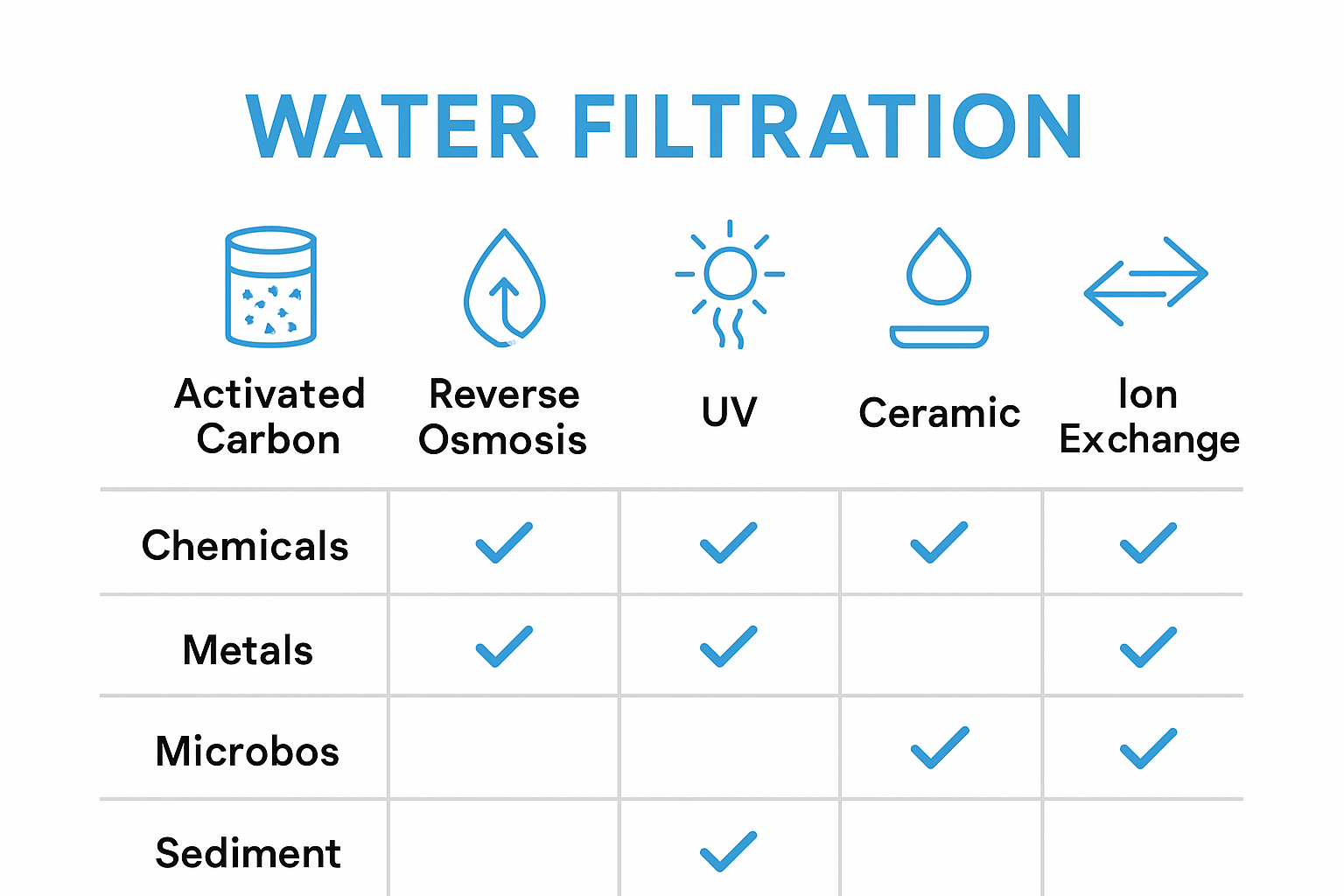
- Activated Carbon Filtration: Excellent for removing chlorine, sediment, volatile organic compounds (VOCs), and improving water taste
- Reverse Osmosis: Highly effective at eliminating dissolved solids, heavy metals, and microscopic contaminants
- Ultraviolet (UV) Purification: Neutralizes bacteria, viruses, and other microorganisms through targeted light radiation
- Ceramic Filtration: Provides physical barriers against sediments and larger particulate matter
- Ion Exchange: Removes hard water minerals and softens water by exchanging calcium and magnesium ions
Research from the Water Quality Association highlights the importance of understanding these diverse filtration technologies to ensure comprehensive water treatment.
Practical Applications and Selection Considerations
Selecting the appropriate water filtration method depends on multiple factors, including water source, detected contaminants, and specific household requirements. Explore our comprehensive water treatment solutions to identify the most suitable filtration approach for your unique needs.
Modern water filtration systems often combine multiple methods to create multi-stage purification systems that provide comprehensive protection.
Below is a comparison table summarizing the key water filtration methods, their main targets, and principal benefits as described in the article.
| Filtration Method | Main Targets | Principal Benefits |
|---|---|---|
| Activated Carbon | Chlorine, sediment, VOCs | Improves taste, removes odors |
| Reverse Osmosis | Dissolved solids, heavy metals, microscopic contaminants | Highly purified water, broad removal |
| Ultraviolet (UV) Purification | Bacteria, viruses, microorganisms | Neutralizes pathogens, no chemicals |
| Ceramic Filtration | Sediment, larger particulate matter | Physical barrier against particles |
| Ion Exchange | Hard water minerals (calcium, magnesium) | Softens water, prevents scale |
Real-World Benefits of Effective Water Filtration
Effective water filtration extends far beyond simple water purification, delivering substantial benefits that impact health, household infrastructure, and overall quality of life. By implementing comprehensive water treatment solutions, homeowners can experience transformative advantages that protect both personal wellness and residential systems.
Health and Wellness Advantages
Water filtration systems provide critical protection against numerous health risks associated with contaminated water. These benefits include:
- Reduced Exposure to Harmful Contaminants: Elimination of potentially dangerous chemicals, heavy metals, and microorganisms
- Improved Digestive Health: Removing parasites and bacteria that can cause gastrointestinal issues
- Enhanced Immune System Protection: Minimizing risks from waterborne pathogens
- Better Hydration Quality: Providing cleaner, better-tasting water that encourages increased water consumption
According to the Centers for Disease Control and Prevention, proper water filtration is essential in preventing waterborne diseases and maintaining optimal health standards.
Household and Environmental Benefits
Beyond personal health, water filtration systems deliver significant advantages for home maintenance and environmental sustainability. Learn about our comprehensive water treatment solutions designed to protect your home and family.
Filtered water reduces scale buildup in pipes and appliances, extends the lifespan of water-dependent equipment, and decreases the environmental impact of bottled water consumption.
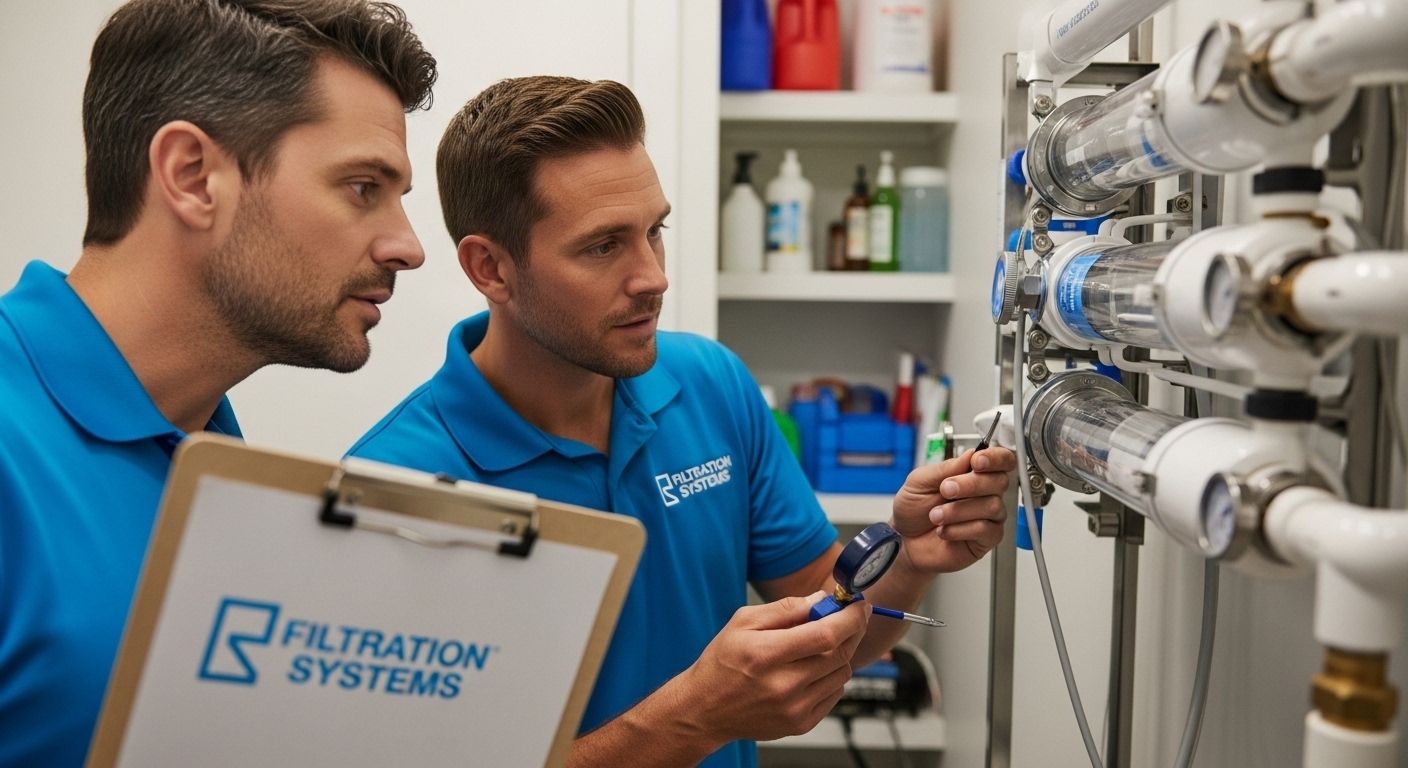 By investing in a robust water filtration system, homeowners can simultaneously protect their health, preserve household infrastructure, and contribute to broader environmental conservation efforts.
Experience the Confidence of Clean, Safe Water in Your Home
Have you ever worried about contaminants in your water or noticed an unpleasant taste or smell from your taps? “Understanding Water Filtration Systems Explained” highlights just how crucial it is to protect your health by removing harmful substances like lead, chlorine, and bacteria. Choosing the right water filtration is not just about taste—it is about long-term safety and peace of mind for you and your family.
Explore home water filtration solutions designed specifically for Plymouth, MA, and nearby communities. Our local experts help you understand which advanced filtration methods fit your home and ensure your water meets the highest standards for health and safety.

Protect your household and enjoy fresh, clean water every day. Visit 8th Bend Plumbing Heating and Cooling for transparent service and easy online booking. Don’t wait until water issues affect your health or comfort—let our trusted team guide you to the perfect system for your needs today.
Frequently Asked Questions
What are the main types of water filtration systems?
The primary types of water filtration systems include activated carbon filtration, reverse osmosis, ultraviolet (UV) purification, ceramic filtration, and ion exchange systems. Each method targets different contaminants and offers unique purification benefits.
How do water filtration systems improve water quality?
Water filtration systems improve water quality by systematically removing harmful contaminants such as microorganisms, heavy metals, and chemical pollutants. This results in cleaner, safer drinking water that tastes better and is healthier for consumption.
What contaminants can be removed by water filtration systems?
Water filtration systems can remove a variety of contaminants, including sediment, chlorine, lead, bacteria, viruses, heavy metals, and volatile organic compounds (VOCs), thus enhancing overall water safety and quality.
How does reverse osmosis work in water filtration?
Reverse osmosis works by pushing water through a semipermeable membrane that filters out most dissolved solids, heavy metals, and microscopic contaminants. This method is highly effective for producing clean drinking water by removing a broad spectrum of impurities.
Recommended
- Why a Water Filtration System is Essential – 8th Bend Plumbing Heating and Cooling
- home water filtration system Archives – 8th Bend Plumbing Heating and Cooling
- What is a Tankless System? Understanding Its Benefits – 8th Bend Plumbing Heating and Cooling
- Plymouth, MA Water Filtration Services
- What is Water Filtration? Understanding Its Importance


